
Museum Milestones
The Museum of North Carolina Craft and History is located within the Historic Shelton House, which has stood in Waynesville for 150 years. The house, grounds, and museum have a rich history. Learn about some of the milestones in our property’s long life here!
-
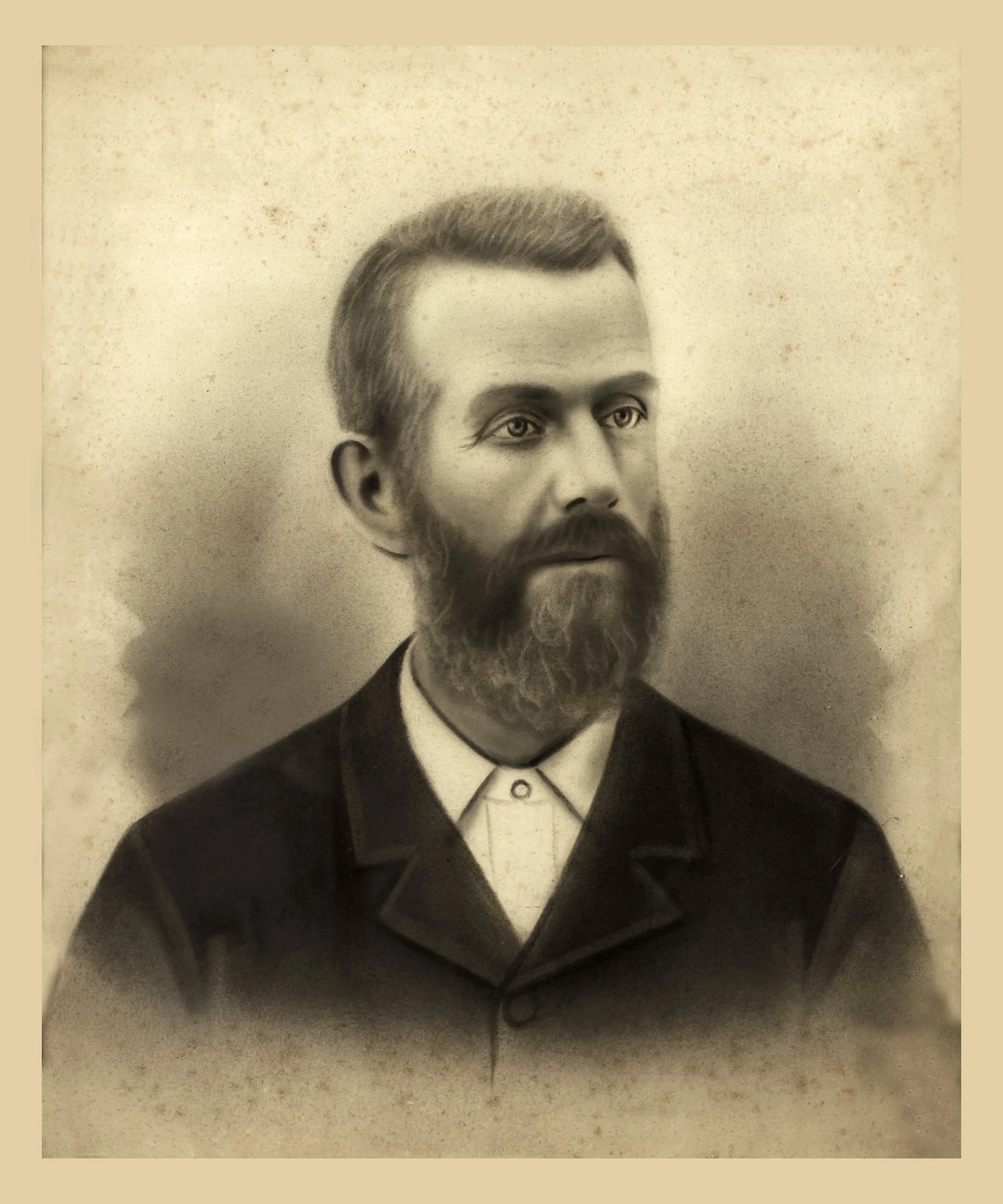
Henry Napoleon Francis, an architect in Haywood County, begins constructing the Shelton House for Stephen Jehu Shelton and his wife, Mahala. The Sheltons originally purchased 24 acres of property for their family, later adding an additional 70 acres to their parcel of land. Stephen chose the location for the home for its close proximity to the courthouse, where he worked as High Sheriff of Haywood County. The house being nearby ensured that he could be there at a moment’s notice if need be.
-
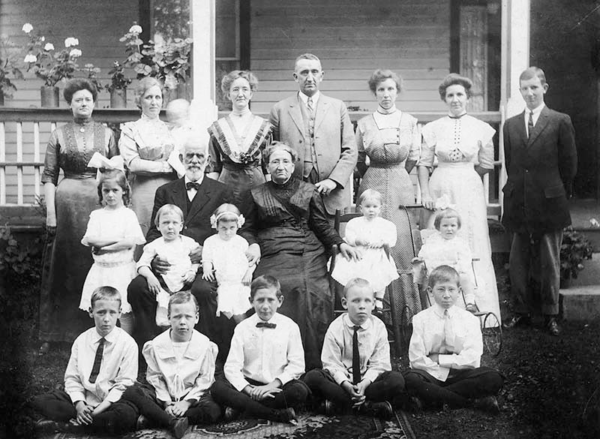
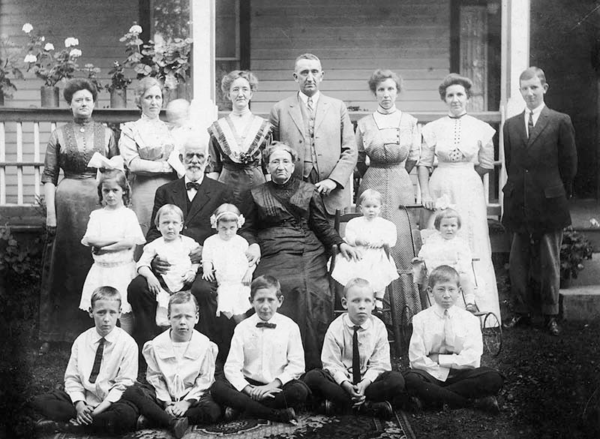
It took three years to build the original Shelton House, which consisted of two stories and four rooms. Behind the home was a separate building for the kitchen, along with a springhouse. The first floor consisted of Stephen and Mahala's bedroom, the family room, the entryway, and the staircase; the second floor was where the children slept, with one bedroom being for the Shelton daughters and the other being for the Shelton sons. On the night the Sheltons moved in, Mahala gave birth to their fifth child. The Sheltons ultimately had seven children (4 daughters and 3 sons).
-
Henry Napoleon Francis added the dining room of the house in 1880. This downstairs addition joined the main home to the kitchen building. When the house was complete, the family still used fire for cooking, so the kitchen was separate in an abundance of caution. By 1880 the Shelton Family used coal in the kitchen, which was less of a fire hazard than an open flame.
-
William Taylor Shelton was the second oldest son of Stephen and Mahala Shelton. His older brother tragically died in a train accident, so as his parents aged William received the first refusal to purchase the home. At this time, William and his wife, Hattie, were living in Shiprock, New Mexico, where William worked as an agricultural instructor with the Navajo; despite their distance from the family home, William purchased the house from his father for $3,000 with life-rights given to his parents.
-
William and Hattie returned to the Shelton family home after 25 years of living in Shiprock. Stephen passed away in 1913, and Mahala was still alive when her son and his wife returned to the area. Mahala would pass away in 1927 at the age of 83.
-
William created the upstairs addition to the house, which he operated as a boarding house. It consisted of two bathrooms, a bunk room for male travelers, and two family rooms for travelers who were not single males. Additionally, William started a dairy on the property in the barn. This dairy operated until the 1940s as a place for locals to buy milk and cream.
-
William and Hattie did not have children, so upon their deaths their eldest nephew, Charles Edmond Ray, inherited the house. Charles had a highly successful supermarket chain in the area and rented the house out to tenants for about 25 years.
-
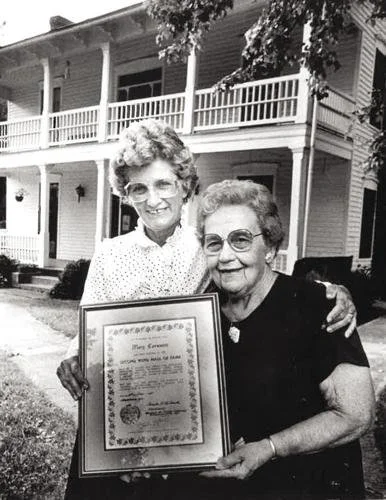
Mary Cornwell, the founder of the Museum of North Carolina Handicrafts, purchased the house solely for the creation of a museum when Charles put it on the market. Mary worked for several years as an extension agent in western North Carolina, working primarily with women who were skilled in the traditional creation of crafts. She founded the museum so these traditional crafts would have a place to be seen and appreciated.
-
The house becomes the first property in Haywood County to be registered on the National Register of Historic Places.
-
Mary Cornwell passed away at 89 years old in 2001. She left everything she owned, including the museum, to the Board of Directors at the time. Since then, the Board has maintained the museum, barn, and grounds.
-
The museum becomes the first location on the Haywood County Quilt Trail, a heritage-based project aiming to help communities in Haywood County to tell their stories. The quilt block, designed by Chris Sylvester, incorporates elements significant to the Shelton family history: a star for Stephen's duties as High Sheriff, arrows to represent William's work in Shiprock, and the Milk Maide pattern to symbolize William's dairy on the property.
-
The Museum of North Carolina Handicrafts officially becomes The Museum of North Carolina Craft and History to reflect a new mission and vision, marking a new era for the museum.